Resource Guide
Understand where Raft's important resources come from and which materials should be protected for progression.
← Raft Guide Hub · Progression Route · Resources
Floating debris
Planks, plastic, palm leaves and barrels supply much of the opening game. Your hook is vital early, while Collection Nets make these materials relatively passive later. Keep a regular stock of planks for cooking and building; don't treat them as unlimited just because they appear often.
Reef and underwater resources
Around islands, use the hook underwater to collect Scrap, Sand, Clay, Metal Ore, Copper Ore and Seaweed. Watch your oxygen and position relative to the shark. Metal and copper tend to be more useful after smelting; clay and sand support Glass and Wet Bricks.
Processing chains
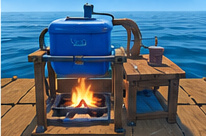
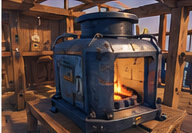
Dry Wet Bricks to obtain Dry Bricks needed for Smelters. Smelt Metal Ore into Metal Ingots, Copper Ore into Copper Ingots, Seaweed into Vine Goo and Sand into Glass. With a Research Table, these materials unlock stronger tools, bolts, hinges, circuit boards and navigation equipment.
Island-specific supplies
Cut trees for planks and sometimes fruits or seeds. Loot containers on story locations for manufactured items and rarer resources. Large islands can offer wildlife, trading posts and resources you won't obtain by surface debris alone. Bring a shovel for relevant dig sites and a metal detector when unlocked.
Animal and farming products
Eggs, milk, wool and crops come from keeping animals or growing plants aboard your raft. Build Grass Plots and maintain water for livestock. Keep seed stocks and spare produce for recipes so the cooking stations remain useful after long expeditions.
Trading and titanium
The Recycler compresses suitable materials into Trash Cubes, used at Trading Posts with Trade Coins. Trading Posts provide special supplies, seeds and recipes, and can complement your resource strategy. Titanium is particularly useful for advanced technology and late-game equipment; plan how to acquire it rather than spending it casually.
Stockpile priorities
Separate emergency materials (planks, plastic, scrap) from processed ingredients (ingots, Vine Goo, Glass) and rare components (circuit boards, batteries, titanium). Label chests and carry only what a trip needs. Keep replacement hook and weapons materials on hand.
What to carry on resource runs
For floating debris, keep a spare hook. For reefs, take a hook, water and a plan for oxygen. For large islands, take weapons, a shovel where useful, tools for tree harvesting and food. For Trading Posts, bring prepared Trash Cubes and any needed trade currency. For story destinations, reserve several empty inventory rows for notes, blueprints and quest objects.
Step-by-step field checklist
- Hook debris and use barrels for the starting materials.
- Dive around reefs for Sand, Clay, Scrap and ores.
- Dry Wet Bricks and smelt ore, Seaweed and Sand into advanced resources.
- Cut trees, collect seeds and grow renewable food.
- Use Recycler and Trading Posts for Trash Cubes, trading ingredients and harder-to-obtain materials.
What to do if progress stalls
An ore is not yet a metal ingot. If a recipe appears impossible, inspect the full processing chain and research the intermediate result. Keep a separate stash for copper, circuits and batteries because story navigation uses them.
Preparation and practical takeaway
Prioritise tools, oxygen, food and water on gathering trips; a full chest is not worth drowning over.