Food & Water Guide
Build a reliable food and fresh-water supply from the opening minutes through sustainable late-game production.
Overview
← Raft Guide Hub · Progression Route (upcoming guide) · Resources (upcoming guide)
Hydration progression
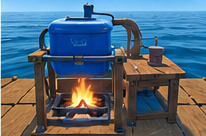
The Simple Purifier transforms seawater into drinkable water and supports the first few days. Upgrade to the Advanced Purifier once materials are available to improve throughput and simplify the routine. In the later story, investigate the Electric Purifier and water storage systems to support longer expeditions and larger agricultural areas.
Basic hunger management
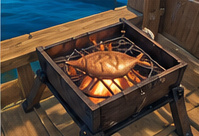
Use a fishing rod and grill to maintain a reliable source of cooked fish. Potato and beet crops add resilience but need fresh water. Fruit collected from islands is useful emergency food rather than a dependable long-term plan. Keep a small ready-to-eat supply on the raft and pack meals before story locations.
Cooking Pot meals
The Cooking Pot turns correct four-ingredient combinations into prepared meals. These can extend the effective hunger bar beyond what basic food provides. Use recipes from loot or trading posts as references, and prepare a Clay Bowl for serving meals. Incorrect combinations produce Leftovers, so test carefully rather than wasting rare ingredients.
Juicer drinks
The Juicer uses recipe-based ingredient combinations and drinking containers to create smoothies. Some provide special buffs. Reserve rare fruits or purchased ingredients for effects that are genuinely useful during exploration and boss preparation.
Farming water budget
More crops do not automatically mean more food if your purifier cannot keep up. Place crop plots near water production, maintain seed stocks, and grow ingredients you regularly cook. Animals need care and grass plots, so avoid building a livestock farm before your water loop is stable.
Expedition checklist
Leave with a full water bottle, spare filled container if available, multiple cooked meals and enough food to survive travel back to the raft. Take extra supplies for locations with underwater passages, long puzzles or boss encounters. In co-op, multiply the food and water supply by the party size.
Daily supply routine
Start each day by drinking and refilling, harvest ripe crops, check the grill and Cooking Pot, and replenish a small expedition reserve. Keep your emergency drinking water separate from whatever you are using for watering crops. When you unlock better purifiers and piping, reassess the crop layout so you are not performing unnecessary manual transfers.
Step-by-step field checklist
- Run the Simple Purifier repeatedly until you have spare freshwater.
- Build daily food around fish and easy crops.
- Upgrade purifier throughput before growing a large farm.
- Cook basic four-ingredient meals when renewable ingredients are available.
- Prepare travel meals and water bottles in advance of story locations.
What to do if progress stalls
A large farm increases freshwater demand. Watering crops with the same last cup intended for drinking creates a predictable survival disaster. Separate emergency drinking reserves from agricultural supply.
Preparation and practical takeaway
For long underwater stories, aim to leave with full food and thirst bars, at least one filled water bottle and multiple ready-to-eat meals.