Research Table & Technology Guide
Use the Research Table efficiently to unlock the equipment that drives Raft's survival and story progression.
← Raft Guide Hub · Progression Route · Resources
How research works
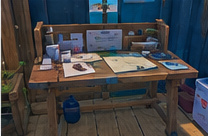
Place the Research Table on your raft. Insert one sample of a new researchable resource and use the research command to add it to the technology library. The game consumes the research sample, so do not research your last important material if it prevents survival crafting. After gathering every required ingredient entry for a recipe, use Learn to unlock it.
High-value early materials
Start with common planks, plastic, rope, leaves and simple gathered resources, then prioritise scrap and smelted products. Seaweed becomes Vine Goo in the Smelter. Metal Ore becomes Metal Ingots. Copper Ore becomes Copper Ingots that support electronics; Sand becomes Glass. These material chains unlock much of the useful technology.
Unlocks to prioritise
The Advanced Purifier, improved tools, storage and Collection Nets have wide benefits and are usually more urgent than decorative construction. Smelting supports metal tools, bolts, hinges, circuit boards and eventually Receiver equipment. Progress as a complete supply chain rather than researching items you cannot build.
Blueprints versus ingredient research
Some technologies depend on story-location blueprints, not merely discovering their ingredients. Examples include Engine and Steering Wheel at Vasagatan and several later electrical and biofuel systems. Picking up the blueprint registers the new design; still gather or research the material requirements needed to craft it.
Research efficiency
Keep a labelled research chest next to the table for a single spare unit of unfamiliar materials. When you return from an island, research first, craft useful upgrades second and store reserves third. Write down any missing material shown by the table so you know what to look for on your next trip.
Troubleshooting missing recipes
If a recipe does not appear, check whether all constituent materials have been researched, whether a story blueprint is needed, and whether you have pressed Learn. Items not yet available in your chapter may require visiting the next story destination or gaining access to a new resource.
Research checklist
Whenever you acquire a new material: decide whether you can spare one unit; research it; check which entries have become learnable; craft the upgrade with the highest practical value; and store an extra component for repairs. Save rare electronics and titanium until you know which blueprint will consume them.
Step-by-step field checklist
- Collect an unfamiliar resource and save a spare sample.
- Insert a researchable sample into the table.
- Check newly available recipes and press Learn.
- Research processed materials such as Metal Ingots, Glass and Vine Goo.
- Follow location blueprints for technology that ordinary material research cannot unlock.
What to do if progress stalls
If you can see a recipe but cannot craft it, the missing step may be learning it or researching a second ingredient. If the object is story-gated, search the relevant location rather than spending hours fishing for a nonexistent random drop.
Preparation and practical takeaway
Create a labelled research chest and bring back one new material type from each island expedition.